




Exploring the psychology behind casino gaming habits
The Allure of the Casino Environment
The casino environment is designed to captivate and engage visitors, featuring bright lights, vibrant colors, and energetic sounds. This sensory overload stimulates excitement and anticipation, creating a unique atmosphere that draws people in. For those interested in the thrill of the game, nrl premiership betting adds another layer of excitement. Visitors often find themselves entranced by the sight of flashing slot machines, the rattle of dice, and the cheers from wins at table games, all carefully curated to evoke emotional responses that entice continued play.
Moreover, the layout of casinos plays a significant role in influencing gaming habits. Casinos are typically structured to encourage exploration, with games strategically placed to maximize exposure. This design can lead players to engage in more gameplay than they originally intended, as they are constantly confronted with new opportunities for entertainment and potential winnings. Such an environment fosters a sense of adventure, making it easy to lose track of time while trying one’s luck.
Additionally, the social aspects of gambling cannot be overlooked. Casinos often create spaces for interaction, where players can enjoy communal experiences, such as cheering for a shared game or discussing strategies with others. This sense of belonging can enhance the enjoyment of gameplay, encouraging individuals to gamble more frequently. The emotional highs and lows associated with winning and losing within this context further deepen the psychological attachment many have to casino gaming.
The Psychology of Risk and Reward
At the core of casino gaming habits lies the psychology of risk and reward. Gamblers are naturally drawn to the thrill of taking risks, as it often leads to a heightened sense of excitement. This urge to gamble can be tied to the brain’s reward system, where the release of dopamine creates feelings of pleasure and gratification when a player wins. This biochemical response reinforces the behavior, as players seek to replicate the feelings associated with victory.
Moreover, the concept of variable reinforcement plays a critical role in maintaining gambling habits. Unlike fixed rewards, where outcomes are predictable, variable rewards create an element of surprise, making the experience more enticing. This uncertainty keeps players engaged, as they never know when they might hit the jackpot, leading to repeated visits to casinos in search of that elusive win. The unpredictability of outcomes can become addictive, as players chase the high of their prior successes.
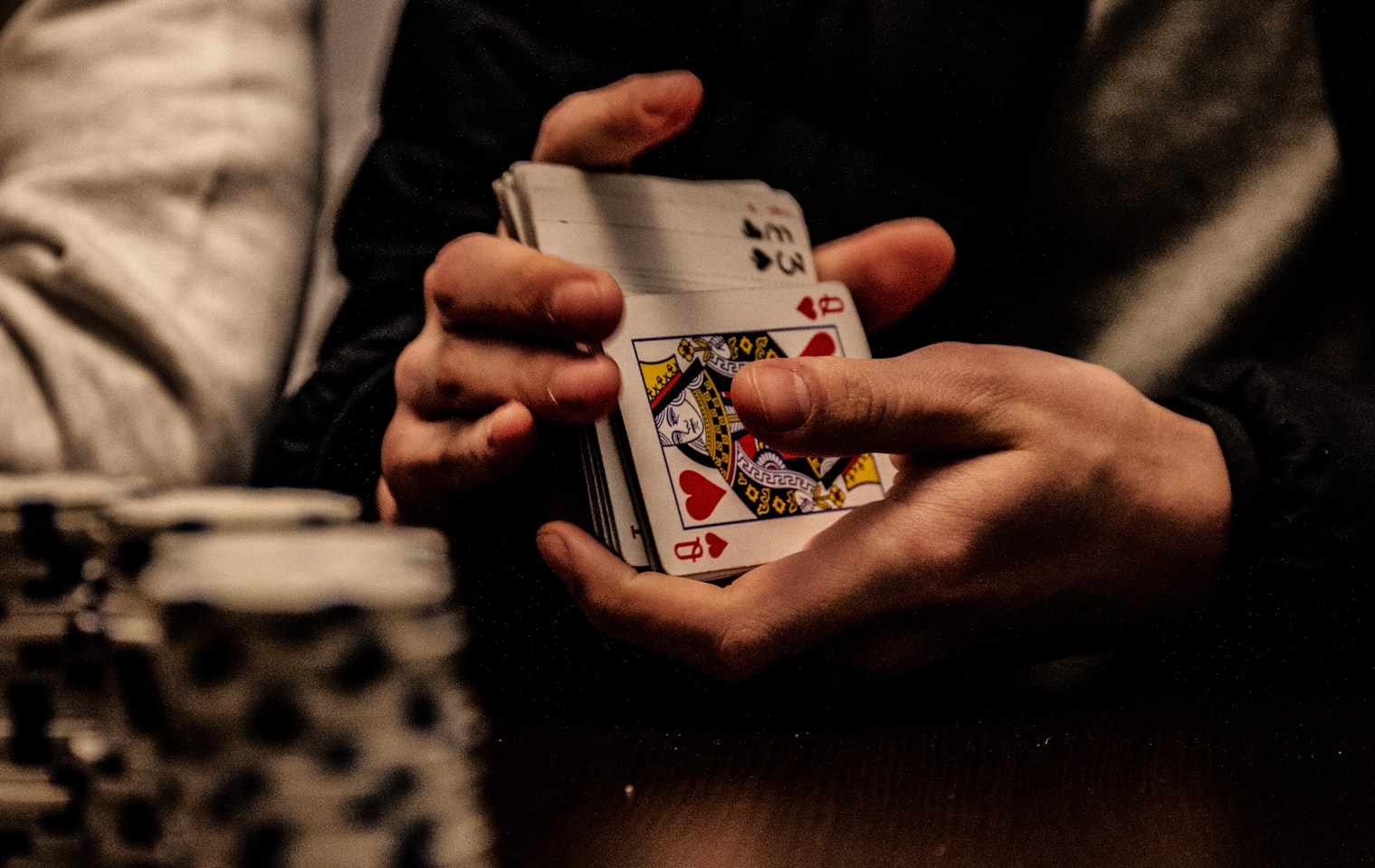
This risk-reward relationship is often intensified by cognitive biases that gamblers develop over time. For instance, the “gamblers fallacy” is the belief that past losses or wins affect future outcomes, which can lead individuals to gamble more in hopes of a turnaround. Players might convince themselves that they are due for a win, further fueling their desire to participate in gaming activities. Such psychological triggers illustrate how deeply ingrained the need for risk and reward is within casino gaming habits.
Emotional Attachment and Escapism
For many, gambling serves as a form of escapism, offering a temporary reprieve from daily stresses and life’s challenges. The casino becomes a place where individuals can immerse themselves in a different reality, free from the burdens of everyday life. This emotional attachment to gambling as a stress-reliever can lead to increased gaming habits, as individuals seek solace and distraction in the thrill of betting.
Furthermore, the emotional highs associated with winning can create a powerful loop of reinforcement for gamblers. When players experience a win, even if it’s small, the positive feelings can lead to a desire to continue playing. This cycle can be difficult to break, as individuals may find themselves returning to the casino time and again, hoping to recapture that initial rush of joy. Over time, this can complicate their relationship with gambling, blurring the lines between entertainment and compulsion.
Additionally, the social connectivity found in casinos can further strengthen emotional ties to gaming. Engaging with other players and building relationships over shared experiences can create a supportive network that reinforces gambling behaviors. This social dynamic can contribute to a sense of identity within the gambling community, making it harder for individuals to step back and evaluate their habits objectively. Ultimately, the combination of emotional investment and social interaction solidifies gambling as a deeply rooted aspect of many people’s lives.
The Role of Marketing and Promotion
Marketing strategies employed by casinos heavily influence player behavior and gaming habits. Promotions, bonuses, and loyalty programs are crafted to entice individuals to engage more frequently. For instance, offering a complimentary meal or free play credits can lure players back to the casino, increasing the likelihood of extended gambling sessions. These marketing tactics tap into the psychological aspects of gratification and instant rewards, encouraging players to view gambling as not just a pastime, but as a reward in itself.

Moreover, the use of targeted advertising can create a sense of personal connection between the casino and potential players. By utilizing data analytics, casinos can tailor messages that resonate with specific demographics, making their promotions feel more relevant and appealing. This personalization fosters an emotional connection that can lead to increased loyalty and frequency in visits, as players feel understood and valued by the establishment.
Additionally, the psychological impact of branding cannot be underestimated. A casino’s brand image often evokes feelings of luxury, excitement, and exclusivity, which can be highly appealing to potential players. The perception that one can be part of an elite group, enjoying high-stakes gaming and lavish amenities, can drive individuals to engage with these venues more often. The allure of the casino experience, reinforced through effective marketing, plays a critical role in shaping gaming habits.
Understanding Gaming Habits on Our Website
Our website serves as a comprehensive resource for individuals interested in exploring the intricacies of gaming behavior, including the psychological factors that influence casino habits. By offering articles, research, and insights into the gambling world, we aim to foster a deeper understanding of how emotions, environment, and marketing intermingle to shape the experiences of players. This knowledge can empower individuals to make informed decisions about their gaming habits.
Additionally, we provide tools and resources for responsible gaming, ensuring that our visitors can enjoy the thrill of gambling while remaining aware of its potential psychological impacts. Our mission is to promote healthy gaming habits and encourage a balanced approach that allows for enjoyment without the risks of compulsive behavior. With access to valuable insights, players can navigate the gaming landscape more consciously and responsibly.
Ultimately, our commitment to educating the public about the psychology behind gaming habits underscores the importance of understanding individual motivations and behaviors. By delving into this complex subject, we hope to create a more informed community of gamblers who can engage in gaming as a source of entertainment without losing sight of the underlying psychological dynamics at play.
No Comments
Sorry, the comment form is closed at this time.