




Why luck plays a role in casino success
The Intriguing Nature of Luck in Gambling
Luck is an undeniable factor that shapes the experience of playing in casinos. While strategies, skills, and knowledge can influence outcomes in various games, the essence of luck adds an unpredictable element that keeps players returning for more. For instance, in slot machines, the outcome is purely random, meaning no amount of strategy can alter the result. This randomness contributes to the excitement and thrill that draw players in, as they hope to hit the jackpot at royalreelscasino22.sbs any moment. The anticipation of winning creates a unique atmosphere, where every spin feels like a potential life-changing event.
Additionally, games like roulette showcase the role of luck vividly. Players may place bets based on patterns or previous outcomes, but the spinning wheel and bouncing ball remind everyone that luck is supreme. The randomness of where the ball lands becomes a decisive factor in a player’s success. While many players analyze trends and numbers, the reality is that luck can turn the tide in an instant, emphasizing that even well-researched bets can fall prey to chance. This unpredictability is what makes gambling so captivating; no one can predict the outcome, keeping the excitement alive.
Moreover, understanding the psychology behind luck can enhance the gaming experience. Many players develop a belief in their ‘lucky’ rituals or charms that they think will influence their fortune. This relationship with luck can create a sense of control in an otherwise unpredictable environment, as players engage in superstitions believing that their actions can sway the outcomes. In this light, luck transcends mere chance, weaving itself into the very fabric of gambling culture. Players may find themselves attributing wins to their lucky socks or a specific routine, further deepening their connection to the game.
The Impact of Chance on Game Outcomes
Chance operates at the heart of every casino game, dictating outcomes in ways that players may overlook. While card games like poker require significant skill and strategy, luck plays a pivotal role in the cards dealt. A player’s ability to win may hinge on drawing a pair of aces or a flush, showcasing that even the most skilled player is at the mercy of chance. Many poker tournaments reveal stories of underdogs winning against seasoned pros solely due to favorable cards, highlighting how luck can disrupt expectations. These moments serve as reminders that skill alone cannot guarantee victory in a game so heavily influenced by chance.
This influence extends to table games, where the roll of a die or the flip of a card introduces an element of unpredictability. In games like craps, players place their faith in the randomness of the dice, often leading to dramatic swings in fortune. The excitement is amplified by the communal environment of the casino, where players cheer for lucky rolls and celebrate wins, underscoring how chance can create shared experiences and enhance the social aspect of gambling. The collective thrill of a winning roll fosters camaraderie among players, reinforcing the notion that luck is not just an individual experience but a shared journey.

Additionally, the structure of casino games often relies on chance to balance player engagement and house advantage. Slot machines, for example, are designed to pay out at random intervals, creating an element of surprise. This mechanic keeps players invested, as they are never sure when the next big win will occur. The anticipation of a jackpot, combined with the element of chance, creates an engaging experience that can be both thrilling and addictive. Hence, the role of chance is not just a backdrop but a fundamental component that shapes how games are designed and experienced.
The Role of Perception in Luck and Success
Perception of luck significantly influences how players view their success in casinos. A player who wins may attribute their victory to luck, while losing players often feel unlucky. This perception can impact future gaming decisions, as players may choose to continue playing or walk away based on their experiences shaped by luck. For instance, a player who believes they are on a winning streak may be more inclined to increase their bets, driven by a hopeful notion of sustained fortune. This belief in luck can create a cycle of behavior that influences one’s overall gaming experience.
Furthermore, the concept of ‘hot’ and ‘cold’ machines in slots showcases the psychological impact of luck. Many players will gravitate towards machines they perceive as ‘hot’—those that have recently paid out big wins—believing that luck will continue to smile upon them. This mindset illustrates how luck influences player behavior, from the choice of games to betting strategies, highlighting that perceived luck can often be as influential as actual outcomes. Such beliefs can lead to a self-fulfilling prophecy, where players seek out their perceived lucky spots, reinforcing their connection to the game.
These perceptions also contribute to the overall atmosphere of casinos. The excitement that surrounds big wins often leads to celebratory reactions from other players, reinforcing the notion that luck is a communal experience. Shared excitement can enhance individual perceptions of luck, pushing others to believe they too can experience a stroke of fortune. In this way, luck not only plays a role in individual success but also shapes the collective culture within the casino environment. The vibrant energy of the casino floor thrives on this dynamic, creating an exhilarating atmosphere that keeps players engaged.
The House Edge and the Role of Luck
Every casino game is designed with a house edge, ensuring that over time, the casino will maintain a profit. Despite this built-in advantage, luck often allows players to achieve significant wins, creating moments of suspense and excitement. The house edge varies from game to game, yet transient moments of wins can leave players believing they have a chance against the odds. This relationship between luck and house advantage creates a dynamic that shapes the overall gaming experience. Players often find themselves caught in the thrill of potential wins, even while understanding the odds stacked against them.
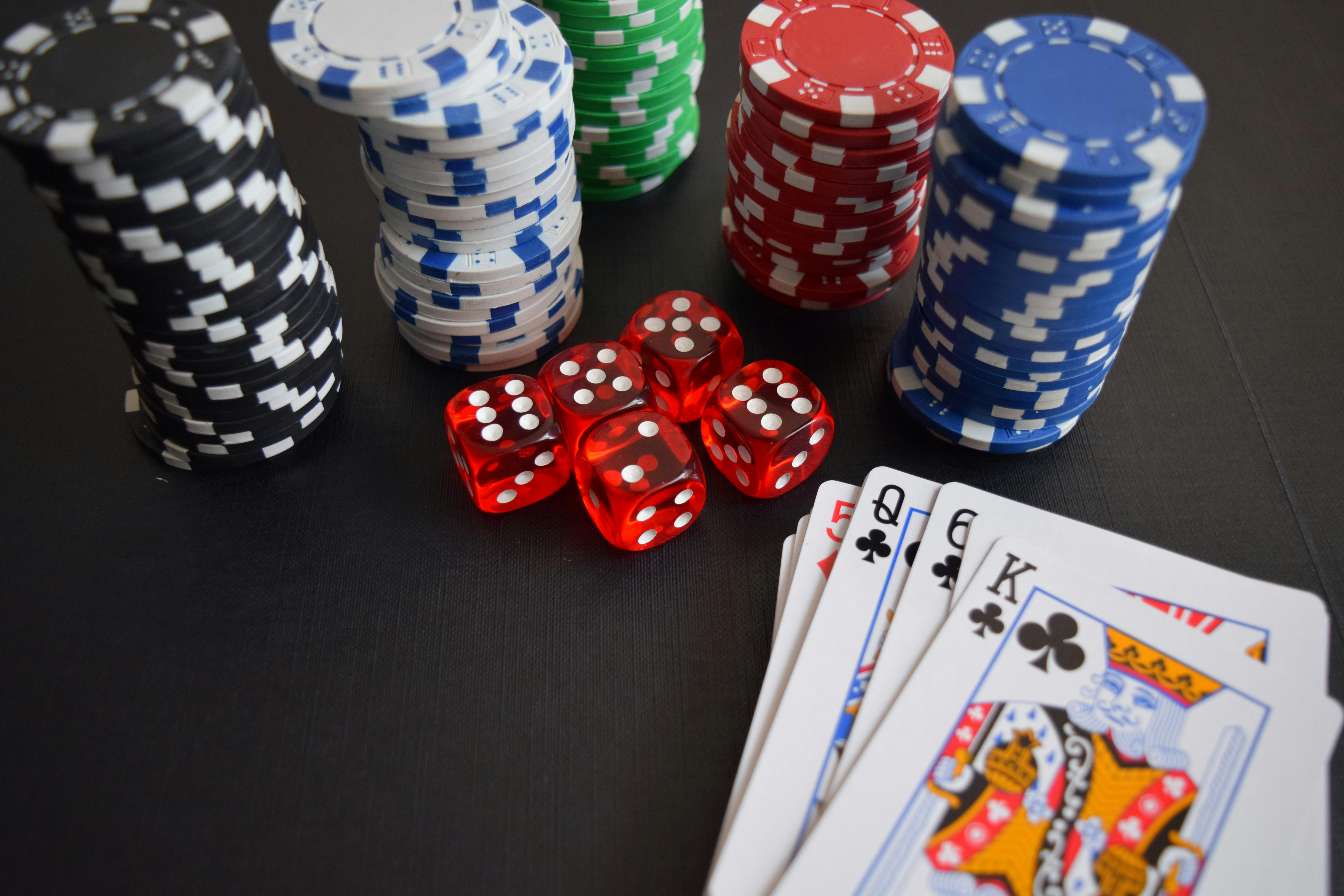
When players experience a lucky streak, it can lead them to forget the underlying probabilities. For instance, in a game like blackjack, players might experience a run of fortunate cards that gives them the illusion that they have overcome the house edge. This fleeting sense of triumph reinforces the allure of casinos, as players chase the high of winning against the odds. However, it’s critical to recognize that luck is often temporary, and the house edge will prevail in the long run. Understanding this balance is essential for players to navigate their gaming experience wisely.
Understanding the balance between luck and the house advantage can help players manage their expectations. While moments of luck can create memorable experiences, informed players are aware of the overall odds and probabilities that govern each game. This knowledge allows players to enjoy the thrill of luck while also recognizing the importance of responsible gaming practices, ensuring that they engage with casinos in a balanced and mindful manner. By approaching gaming with an awareness of both luck and strategy, players can cultivate a more enriching experience.
The Unique Casino Experience and the Role of Luck
In conclusion, luck is an integral part of the casino experience that shapes how players engage with games of chance. Whether it’s the thrill of spinning the reels on a slot machine or the anticipation of a roulette ball landing on a chosen number, luck introduces an unpredictable element that excites and captivates players. While skills and strategies can play a role, the inherent randomness of games underscores that luck often determines success. Embracing this duality can enhance the enjoyment of gambling.
Players can enhance their experience by embracing both the role of luck and the strategies they employ. Understanding that luck can vary in any given session empowers players to enjoy the highs and lows of gambling. This balanced approach allows for a more enriching experience, where players can celebrate their wins and learn from their losses, all while navigating the exhilarating world of casino games. Adopting a mindset that appreciates both elements can lead to more rewarding interactions.
Ultimately, the interplay between luck, perception, and the house edge shapes the unique atmosphere of casinos. While luck alone does not guarantee success, it is a thrilling component that draws players in, creating unforgettable moments and enhancing the social dimension of gaming. As players continue to engage with casinos, the role of luck remains a fascinating aspect worthy of exploration, making each visit an adventure filled with potential and excitement.
No Comments
Sorry, the comment form is closed at this time.