




Can luck really influence casino outcomes?
The Nature of Chance in Gambling
When discussing whether luck influences casino outcomes, it’s essential to understand the nature of chance in gambling. Many games in casinos are designed with built-in probabilities that govern their outcomes, such as slot machines, roulette, and blackjack. These probabilities are calculated to ensure that casinos maintain a favorable edge over players, which is often referred to as the house edge. For those exploring options like no verification casinos , while players might believe that luck plays a significant role, statistical analysis often reveals that consistent success in these games is more about understanding the odds rather than relying solely on good fortune.
For example, in games like blackjack, skilled players who apply strategies such as card counting can significantly enhance their chances of winning. This suggests that while luck is a factor in a single hand of blackjack—where the outcome may depend on the next card drawn—a player’s expertise and knowledge can tilt the odds in their favor over time. Thus, luck and skill are intertwined, but understanding the probabilities is crucial for long-term success.
Furthermore, research into gambling behavior indicates that players often overestimate their control over outcomes, leading to a phenomenon known as the illusion of control. Many gamblers believe that certain rituals or superstitions can influence their luck, whether wearing a lucky charm or choosing specific numbers. However, these beliefs do not change the fundamental nature of the games, which operate under fixed mathematical rules. This psychological aspect of gambling can significantly affect a player’s experience and decision-making process.
The Role of Randomness in Casino Games
In a casino environment, randomness is a critical factor governing game outcomes. Most modern casinos utilize random number generators (RNGs) for electronic games, ensuring that results are unpredictable and fair. This technology mimics the randomness found in traditional gambling, where dice rolls and card shuffles create unforeseen outcomes. While luck is undeniably part of the gambling experience, the underlying mechanics are designed to uphold fairness and impartiality.
Take slot machines, for example. Each spin is independent of previous spins; hence, no amount of luck can influence the outcome of the next play. The perception of winning streaks or losing streaks is a psychological effect known as the gambler’s fallacy, which can lead individuals to believe that their chances of winning are influenced by prior outcomes. In reality, each play is governed by its own set of probabilities that do not change based on what has happened before.

The maintenance of randomness ensures that casino games remain exciting and engaging for players. Although luck may impact individual sessions, casinos are built on the long-term statistical advantages they hold. The fact remains that while players can have winning days driven by luck, the house edge ultimately ensures that, over time, the casino profits. This reinforces the idea that while luck can influence short-term outcomes, the structure of the games dictates the long-term results.
The Influence of Environment and Psychology on Gambling
The psychological environment in which gambling takes place can significantly affect perceptions of luck and outcomes. The ambiance of a casino—with its lights, sounds, and social interactions—can create an emotional high that contributes to riskier behavior. Players may feel more inclined to take chances or increase their bets when they perceive themselves to be on a winning streak, often attributing their fortunes to luck rather than skill or strategy.
Additionally, the social aspect of gambling can create a sense of collective luck. When players gather around a blackjack table or a roulette wheel, they often share in the excitement of winning together, reinforcing the feeling that luck is a communal force. These social dynamics can lead to heightened engagement, making players feel as if their luck is intertwined with those around them, which can amplify the excitement but also the losses when luck takes a downturn.
Moreover, cognitive biases play a significant role in how gamblers perceive luck. The confirmation bias leads players to focus on winning experiences while disregarding losses. This selective memory creates a false narrative that luck is favoring them, potentially leading to more gambling. Understanding these psychological factors can help players make more informed and rational choices about their gambling activities, ultimately leading to a more responsible approach to luck in casinos.
The Myth of Lucky Strategies and Superstitions
Many gamblers believe in lucky strategies or superstitions that they think can enhance their likelihood of winning. These may include specific betting patterns, choosing particular times to play, or even relying on “lucky” days of the week. However, the reality is that these strategies do not change the fundamental probabilities of the games. Casinos operate with odds that are mathematically defined, and no external factor can alter those odds in the player’s favor.
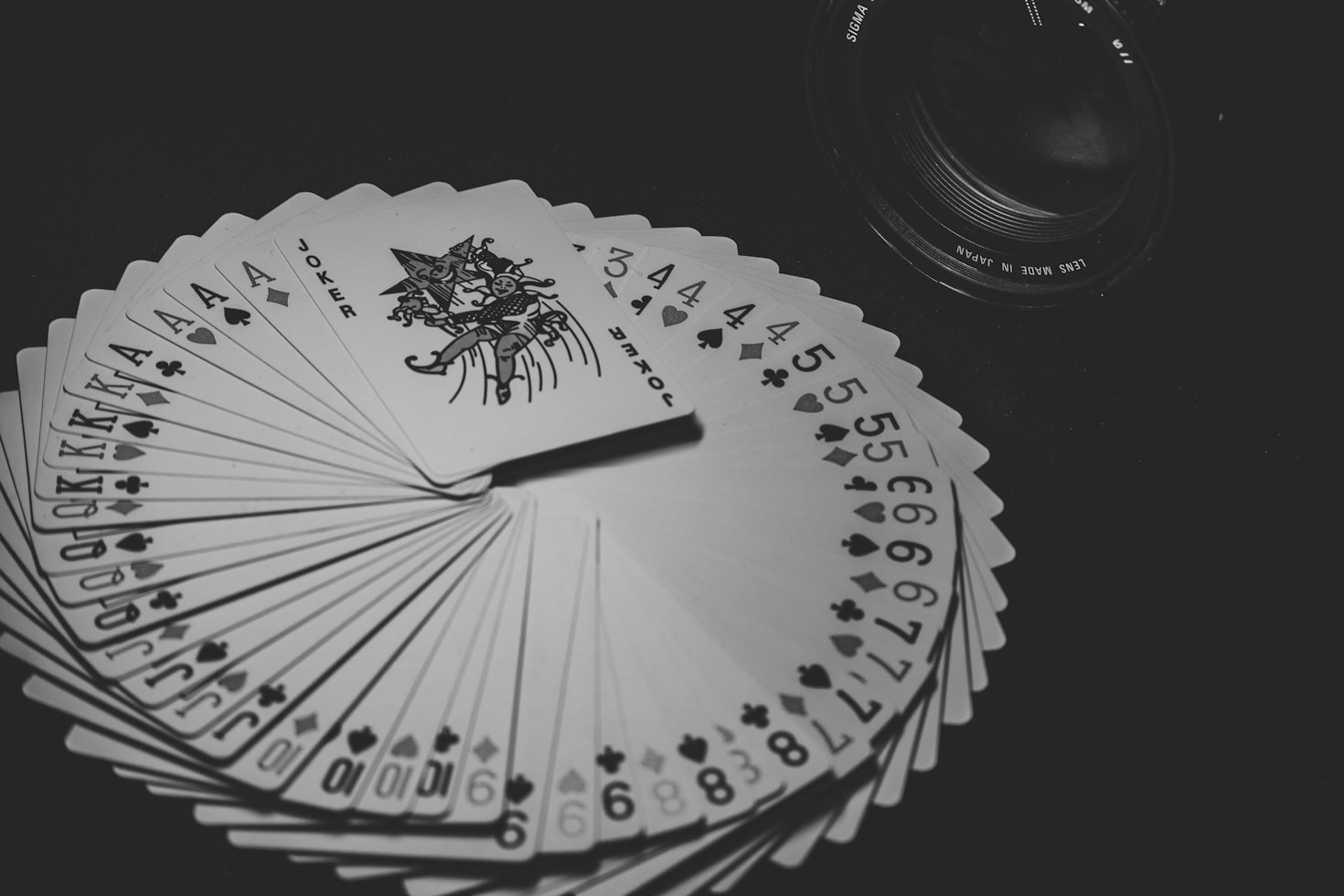
For instance, some players might choose to play their “lucky” numbers in games like roulette, believing that these numbers will yield better results. However, each number has an equal chance of being selected, and past outcomes do not influence future results. This belief in lucky numbers reflects the human desire for control and predictability in an inherently uncertain environment. While these strategies can enhance the gambling experience, they do not provide a mathematical advantage.
Ultimately, the allure of luck in gambling is both a psychological and emotional experience. Players often gravitate towards rituals and beliefs that offer a sense of empowerment over their chances. While acknowledging that luck exists in the short term, it’s vital to differentiate between the thrill of the game and the reality of the odds. A balanced approach can lead to healthier gameplay, reducing the reliance on unfounded superstitions.
Exploring Comprehensive Guides and Strategies on Our Website
For those interested in delving deeper into the relationship between luck and casino outcomes, our website offers a wealth of resources and guides. We explore the intricate balance between chance and skill in various games, providing insights that can help players make informed decisions. By understanding how different games work and the odds involved, players can create strategies that align with their gambling preferences.
Our extensive articles examine the psychology of gambling and the common myths surrounding luck, allowing players to gain clarity on how their perceptions might influence their gaming behavior. Whether you’re a novice looking to learn the basics or an experienced player seeking to refine your strategies, our content is tailored to enrich your gambling knowledge and enhance your overall experience.
We believe that informed players make for more responsible gamblers. Our goal is to foster a community that appreciates the complexities of gambling, empowering individuals to approach their gaming with a mix of awareness, strategy, and enjoyment. Join us to explore the fascinating world of casinos and gain the insights you need to navigate the realm of luck and chance effectively.
No Comments
Sorry, the comment form is closed at this time.